

To the UC Davis community:
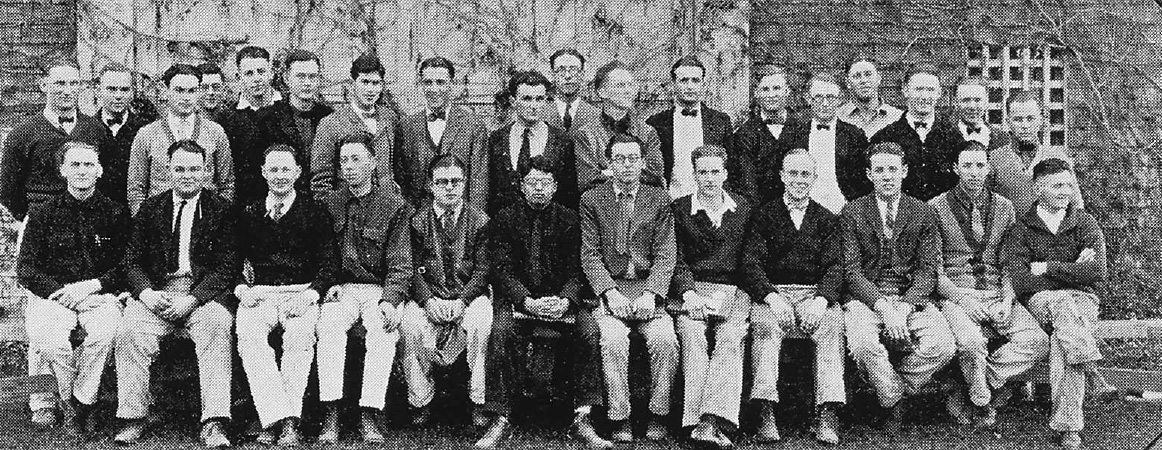
As we transition into summer and graduation season, we are also marking two important milestones: the 100th anniversary of the first four-year undergraduate class at UC Davis and the 250th anniversary of the United States. Though separated by 150 years, both events reflect a shared belief in innovation and the transformative power of education.
Over the past 250 years, public universities have helped turn the aspirations reflected in the Declaration of Independence into reality, educating generations of students while advancing discoveries that shape our world.
That commitment has been the foundation of our work at UC Davis from our origin as the University Farm. UC Davis research has done more than expand our understanding of the world. It has reached from our labs into the lives of people in every home, every community and every corner of the planet — and beyond — to offer tangible benefits to the people we serve.
As we celebrate this moment, I want to share a sample of the amazing discoveries unlocked at UC Davis. While no single document could capture all the innovation on our campus, this list demonstrates the breadth of our impact and how we continue to shape the future.
Laying the foundation
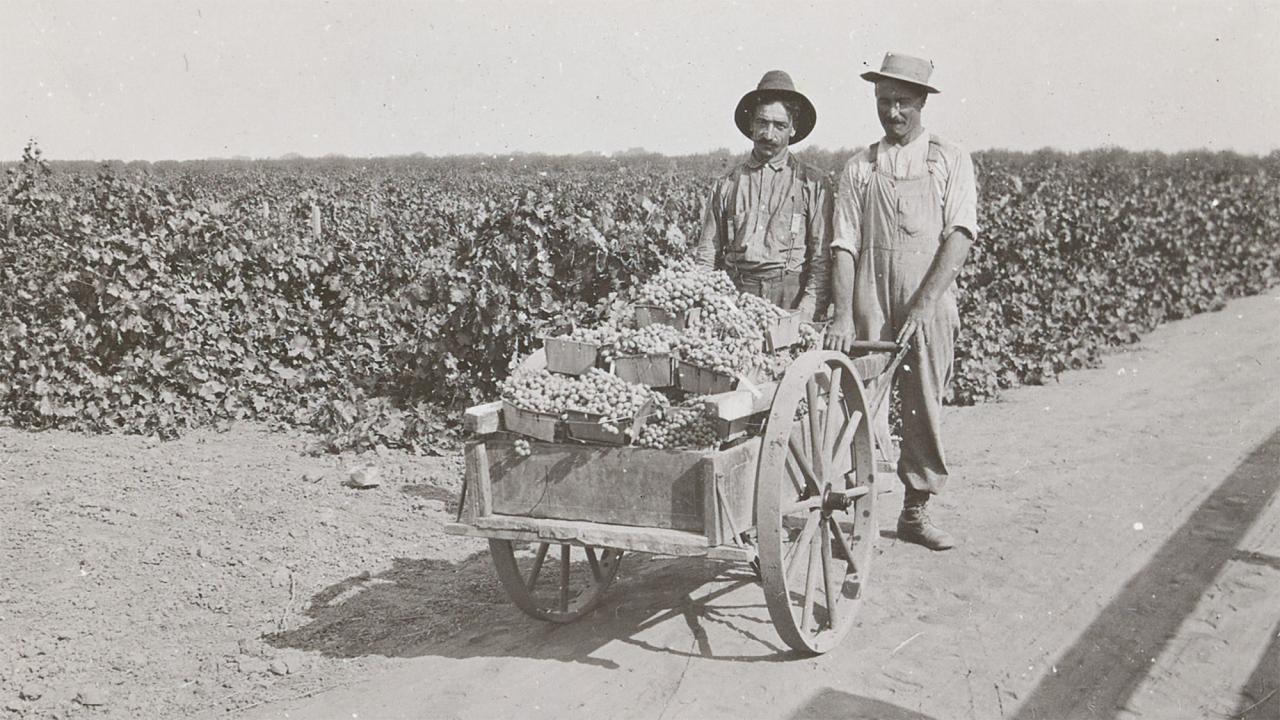
From the beginning, UC Davis has been at the forefront of research that feeds the world. In 1906, the Pacific Rural Press called the founding of the University Farm “one of the most important events in the agricultural history of California.” Little did they know that a small campus with a handful of students would become the engine powering California as the world’s most productive agricultural region and would itself become a global center of innovation.
Building California’s wine industry
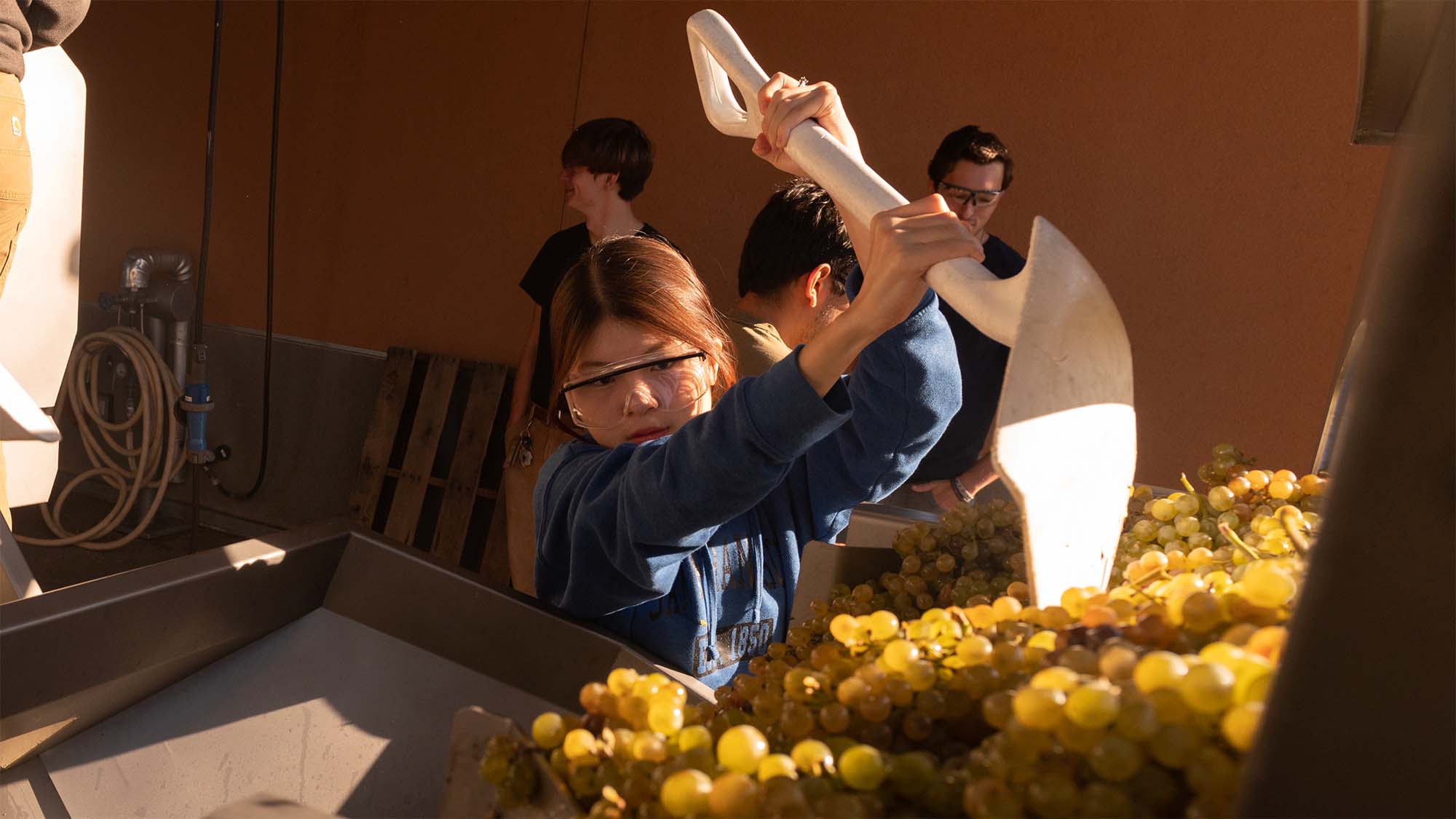
Today, California is one of the world’s most renowned wine-producing regions. Much of the success of that industry, which employs over 1 million people and fuels $170 billion in annual economic activity across the country, rests on the work of UC Davis researchers. Beginning in the 1930s, they developed dozens of grape lines, including a Chardonnay varietal that has since become one of the most popular in the world, now cultivated on nearly 100,000 acres throughout the state. California's emergence as a global wine leader was confirmed in 1976, when a panel of judges in France awarded California wines with a strong UC Davis lineage top marks, leading to newfound global respect and demand.
Today, our researchers continue to support the California wine industry through work addressing the threat of smoke taint and refining the UC Davis-developed Winkler Index, the global standard for recommending the best grapes to plant in each region, helping growers respond to the challenges of a warming planet.
The tomato that transformed agriculture
In the 1950s, as demand for canned tomatoes in ketchup, pasta sauce and tomato juice skyrocketed, growers had a problem. The machines required to rapidly harvest tomatoes damaged as many as they harvested, leading to waste and inefficiency. That’s when UC Davis researchers stepped in, combining genetic research to produce a hardier, “square” tomato paired with engineering advances that created the first successful mechanical harvesters to pick them.
Today, almost every tomato destined for a jar nationwide still relies on this UC Davis innovation. Our researchers continue to advance agricultural discoveries, including exploring revolutionary applications of artificial intelligence to make harvest time safer for workers, more sustainable and more productive for growers.
Feeding the world
Since the 1930s, University of California researchers have led advances in strawberry breeding, both to build disease resistance and develop new varieties grown around the world. The reach of this work is extraordinary: over 60% of the strawberries consumed worldwide come from varieties developed here. Strawberries are a vital agricultural product in California, with almost 2 billion pounds — or 88% of the national harvest — produced statewide.
Strawberries represent just one example of how UC Davis research helps feed the world. In the 1990s, UC Davis researchers developed disease-resistant rice varieties for the crop that feeds over half of the world. This pioneering work increased rice yield by more than 60%, and over 6 million farmers in India and Bangladesh are planting the strains to increase food security for over 70 million people.
Expanding our global impact
While our early work had a profound impact, UC Davis began to emerge as a national and global research power at the end of the century, as our work shaped everything from national policy to our understanding of human development.
Banning lead in gasoline
In the 1960s and 70s, California was as well known for smog as it was for ocean views. Professor Thomas Cahill and his team at UC Davis used the campus cyclotron at the Crocker Nuclear Lab to analyze the air. They found that lead and other pollution from highways were spreading to neighborhoods across the state. His pioneering work helped drive California's decision to phase out leaded gasoline and contributed to similar efforts worldwide. The United Nations estimates the ban generates trillions of dollars in annual economic benefits through improved health and productivity across the world.
Today, researchers at UC Davis are continuing their efforts to protect human health and the environment, including novel studies into using minerals to sequester carbon and reduce global warming.
Applying lessons from nature’s ultimate survivors
In the 1970s and 1980s, the husband-and-wife team of John and Lois Crowe discovered how tardigrades — microscopic, eight-legged creatures known as water bears — survive some of Earth's most extreme environments, from the deepest parts of the ocean to the highest mountain peaks. Their discovery of a sugar called trehalose, which can replace water in cells and protects them until more hospitable conditions return, led to significant innovations in the medical field. This work has been critical in the development of blood storage, freeze-dried vaccines, medicines and other biological materials.
This initiative to preserve fragile living cells continues across UC Davis labs today, including at our Stem Cell Transplant program and the CuRe trial, which uses a novel stem cell therapy to treat babies with spina bifida before birth.
Rethinking how babies communicate
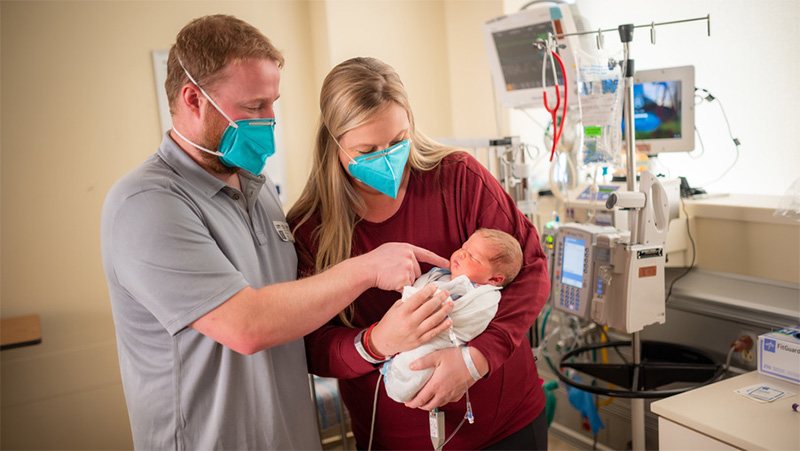
In the 1990s, psychologists Linda Acredolo of UC Davis and Susan Goodwyn of CSU Stanislaus unlocked a breakthrough in our understanding of how infants process language. Over decades of study, they demonstrated that babies could communicate complex ideas through signs, challenging the idea that such communication would slow speech development. Their research suggested that signing could support language development while strengthening communication between children and their caregivers.
Our work to understand how young brains connect with and interact with the world around them continues through research conducted at the UC Davis MIND Institute. Last spring, I had the opportunity to see firsthand how researchers are learning more about how the brain develops during early childhood in children with conditions such as autism.
Building a better tomorrow
Our work continues today as our researchers build a healthier, more sustainable world.
Driving the electric car revolution
UC Davis is also a pioneer in sustainable transportation. Long before the market existed, Professor Andrew Frank and his students demonstrated practical plug-in hybrid cars, laying the groundwork for today's more environmentally friendly vehicles. Today, 25% of all cars sold globally are electric or plug-in hybrid, generating enormous benefits in terms of reduced pollution and dependence on fossil fuels.
Researchers across our campus are continuing these efforts to make transportation more sustainable, including the Institute of Transportation Studies, which is working with governments, NGOs, and other partners worldwide to reduce the climate footprint of automobiles in the developing world and here at home.
Restoring the power of speech
Our researchers are also developing solutions to help patients with debilitating neurological conditions. Last fall, I had the chance to meet with researchers in the UC Davis Neuroprosthetics Lab, which is deploying a brain-computer interface that enabled a patient with ALS to speak in his own voice again. The technology that returned his voice is one more critical step forward for the millions of people with neurological disorders and brain injuries.
More than one million Americans a year are diagnosed with chronic brain disorders like Huntington’s disease, multiple sclerosis, Parkinson’s disease and traumatic brain injuries. The World Health Organization calls neurological conditions the leading cause of ill health and disability worldwide, affecting more than 3 billion people and underscoring the importance of this work.
Protecting global health
Aggie innovation often rests on creative, interdisciplinary connections because we know the great challenges of our time demand new ways of thinking about solutions. The One Health model demonstrates that animals, humans and the environment are deeply interconnected. Working across the United States and around the world, One Health leverages our strengths in veterinary medicine, human health and biological sciences to monitor emerging threats and prepare solutions.
Whether that means leading efforts to monitor emerging viruses like Ebola through the PREDICT program or ongoing initiatives to protect marine mammals from avian flu, the One Health model still informs national and international policy for predicting and preventing pandemics.
Aggie students lead the way
Aggie impact extends far beyond these examples, with discoveries taking place across the most comprehensive campus in the UC system every day. Whether it’s our School of Law rewriting our understanding of the rights of immigrants or the School of Education leading studies expanding college graduation rates for students across the state, our research improves lives across California and around the world.
Every discovery reflects another essential truth about UC Davis: Students learn by participating in the research, innovation and public service that change lives.
Just as important as the discoveries themselves are the students who help make them possible, gaining the skills and experience that prepare them to lead after graduation. Our greatest impact is reflected in the success of our 335,000 alumni. Across the globe, Aggies are bringing ideas to life, expanding opportunity and strengthening their communities.
Tomorrow and through the weekend, thousands of graduates will join this group of innovators, visionaries and builders. Our latest class will bring their optimism, interdisciplinary thinking and a global perspective to bear on the great challenges we face.
As we celebrate these anniversaries across our campus and the country, I’m inspired by what the Class of 2026 has already achieved and optimistic that they will lead the next generation of creators. They join a proud tradition of leading the world, answering questions that seem too challenging to tackle and ensuring their impact is felt in every community.
To the next 100 years of Aggies changing the world!
Sincerely,
Gary S. May
Chancellor
Read about more UC Davis innovations