
Have you ever wondered if the labels on your products matter? Consumers may assume that ingredient lists and claims such as “extra virgin,” “pure,” or “natural” are strictly regulated and trustworthy. In reality, these terms can be vague or even meaningless.
“Food fraud happens when something has high value and it's globally traded,” said Selina Wang, a professor with the Department of Food Science and Technology and faculty director of the UC Davis Olive Center. “That's where things can happen, as it’s easy to lose track of the traceability and transparency of products.”
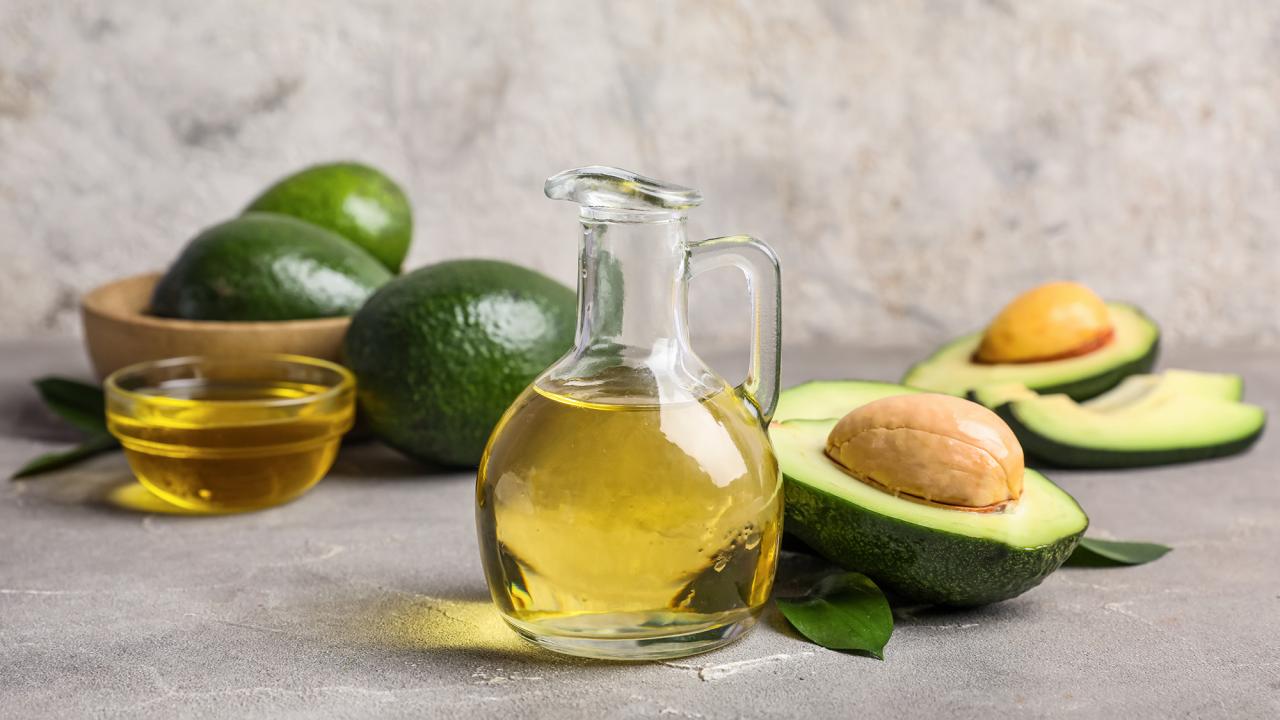
Items like avocado oil, honey, seafood, spices such as saffron and turmeric, and even maple syrup are particularly vulnerable. Their shared traits — premium pricing, complex supply chains and chemical complexity — make them targets for adulteration and difficult to verify.
Concerns about mislabeling are not new. A study conducted more than a decade ago by researchers at UC Davis found that a majority of imported olive oils labeled “extra virgin” failed to meet international standards, often due to sensory defects or quality degradation.
Although olive oil has historically been associated with fraud, improvements in testing — much of it driven by the UC Davis Olive Center, which has led influential research on oil quality and standards — have helped reduce the issue in recent years.
But the problem has not disappeared; it has shifted.
“Olive oil is not as frequently adulterated compared to 15, 20 years ago,” Wang said. “But avocado oil is a mess.”
One of the biggest challenges is detection. Many fraudulent products are designed to closely mimic authentic ones in taste, smell and appearance. Consumers often assume price is a reliable indicator of quality, but that is not always the case.
“If something is very cheap and it feels too good to be true, that’s usually a red flag,” Wang said. “But at the same time, higher price does not mean it’s pure.”
Efforts to combat food fraud face several obstacles. Testing methods can be expensive and time-consuming, making screening every batch of imported goods impractical. Additionally, as new detection techniques are developed and published, companies may adapt their formulation or processing to evade them. Differences in international regulations further complicate enforcement, especially in a highly globalized food system.
For consumers, completely eliminating risk is difficult. However, certain strategies can help reduce exposure. Products with clear traceability, such as detailed origin information, certifications or scannable QR codes offer greater transparency. Choosing reputable brands or suppliers with consistent quality records can also provide some assurance.
Addressing food fraud will likely require stronger oversight and coordinated efforts at national and global levels, Wang said. Ultimately, however, the burden should not fall entirely on shoppers.
“It shouldn’t be like this,” Wang emphasized. “That’s why we do research to help with establishing standards that can be enforced by governing bodies."