
Our Degrees
Your Selections

How does the universe work? The study of physics attempts to answer this question by examining the smallest subatomic particles, atoms, molecules, stars and galaxies.
The Biological Systems Engineering Graduate Program aims to enhance the capacity for teaching and research in biological systems engineering, and train the future generation of professionals to add
Biomedical engineering graduate students engage in a rich spectrum of advanced research at the molecular, cellular, tissue, systems, and organism levels, as well as in clinical practice.
Biophysics offers a graduate education program that focuses on the interface of biology, physics, chemistry, engineering, and mathematics, and explores the physical laws governing the properties an
Biostatistics applies quantitative methods to study problems related to life sciences that arise in a broad array of fields.
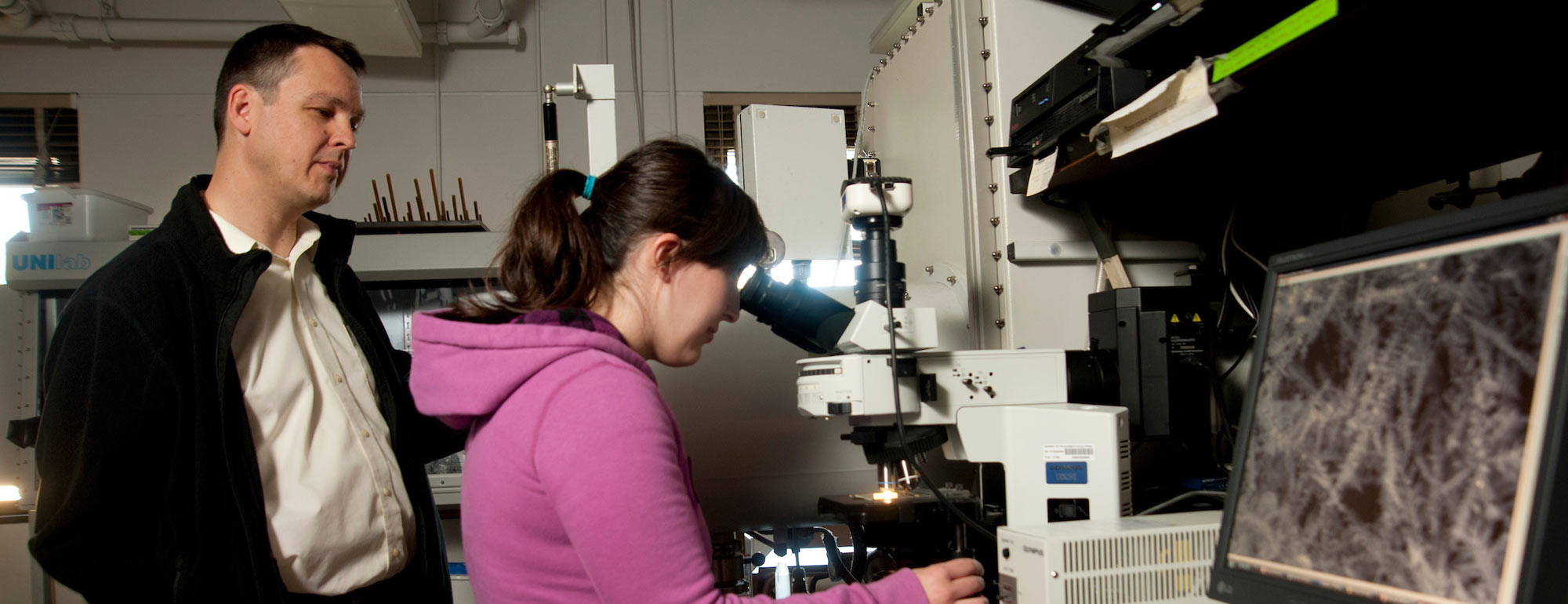
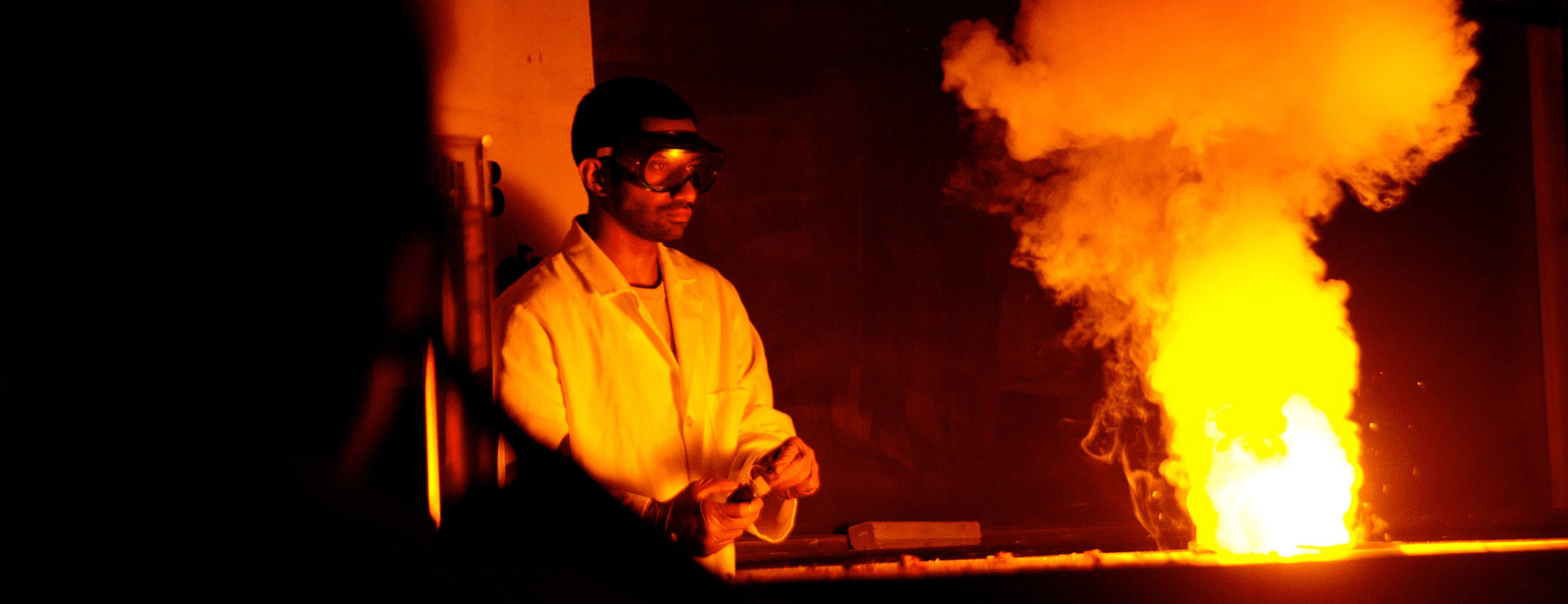
How is the twitch of a muscle fiber related to the silent explosion of a supernova? Every happening in the universe is linked at an atomic level by the principles of chemistry.

Technological advances in the past 15 years have revolutionized biological sciences, as they have allowed large-scale simulations and high-throughput experiments throughout the tree of life.
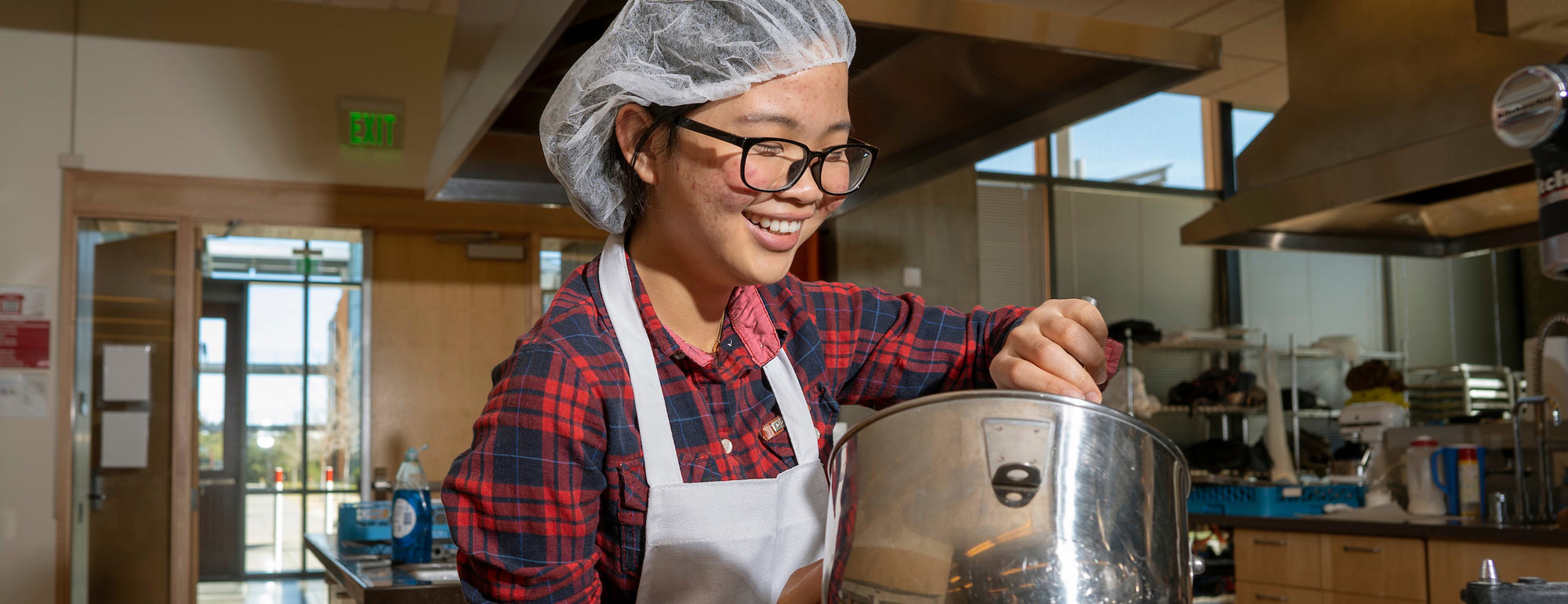
Do you know where your next meal is coming from? Whatever you choose, it was probably grown, processed, delivered and prepared using techniques developed by food scientists and technologists.

Students in the Health Informatics Graduate Group gain advanced knowledge of storing, retrieving, and interpreting medical and health information essential for health professionals and scientists.