
Our Degrees
Your Selections
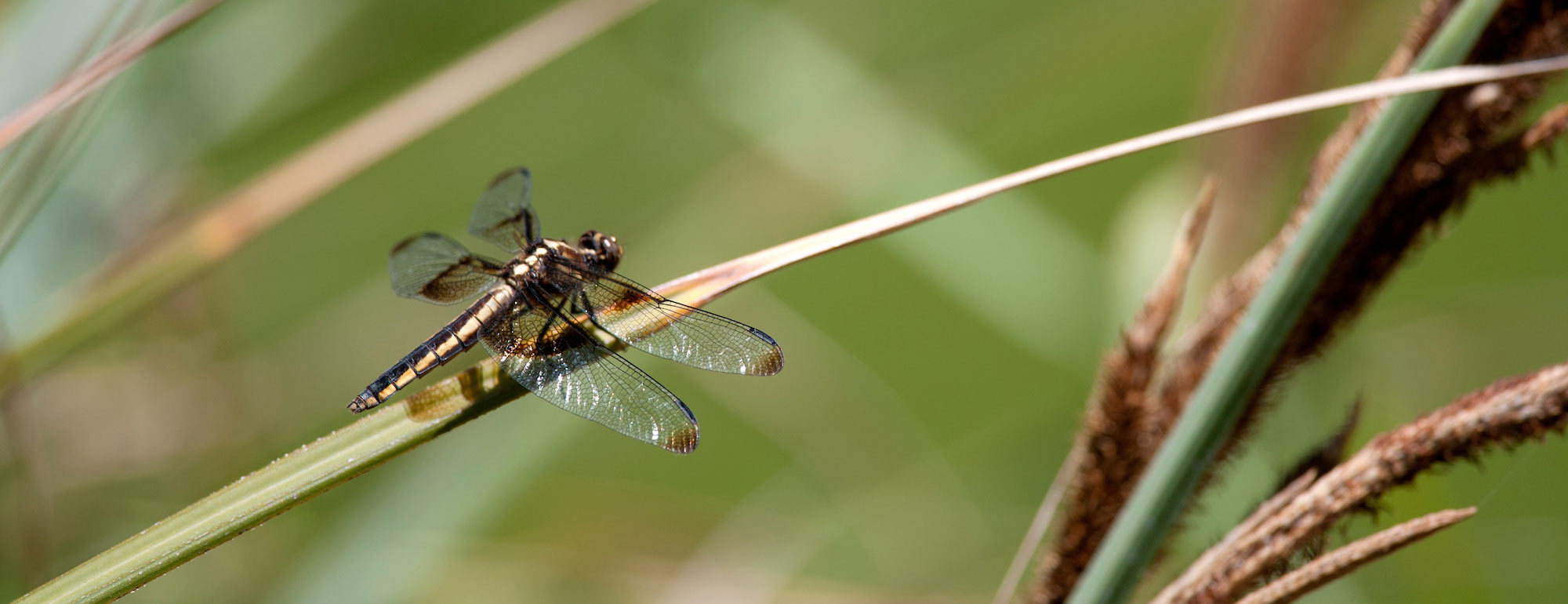
Insects play key roles in ecosystems and in human endeavors due to their immense variety of forms and functions.
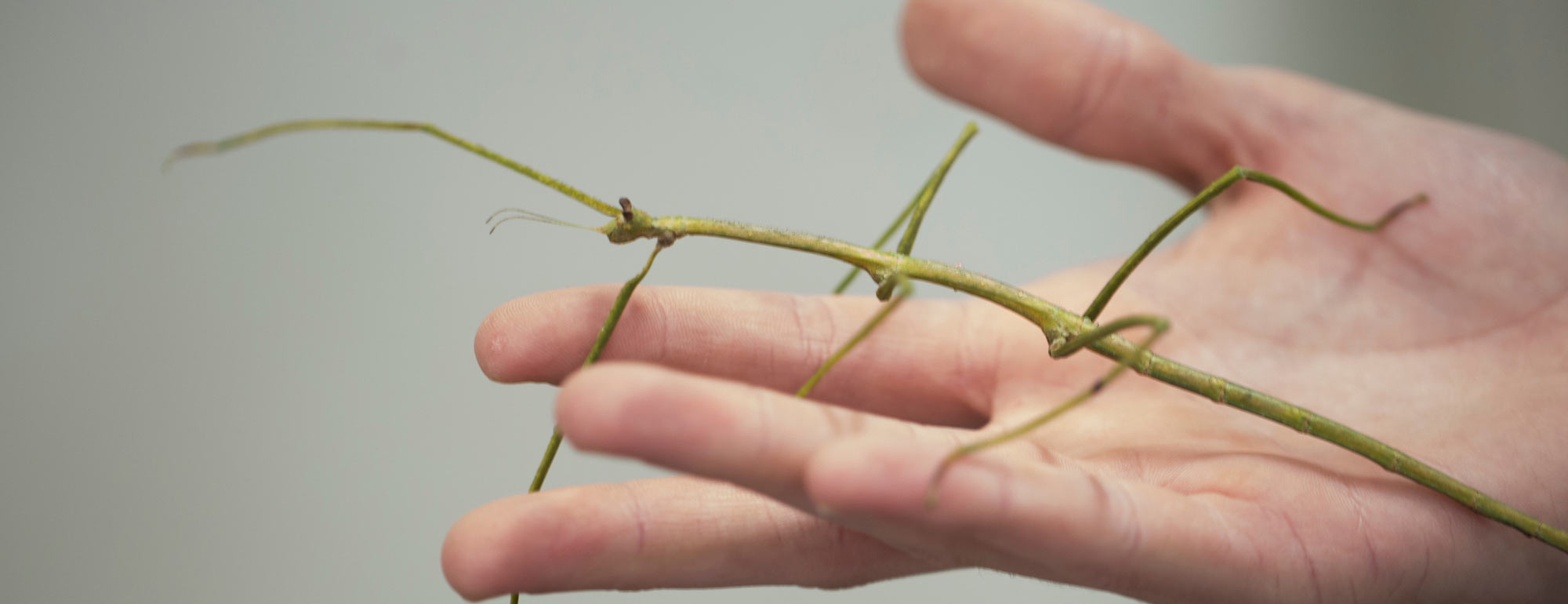
This minor emphasizes the diversity, ecology and evolution of insects. Not only are insects fascinating creatures, but they have multiple effects on the earth’s biota (including humans).
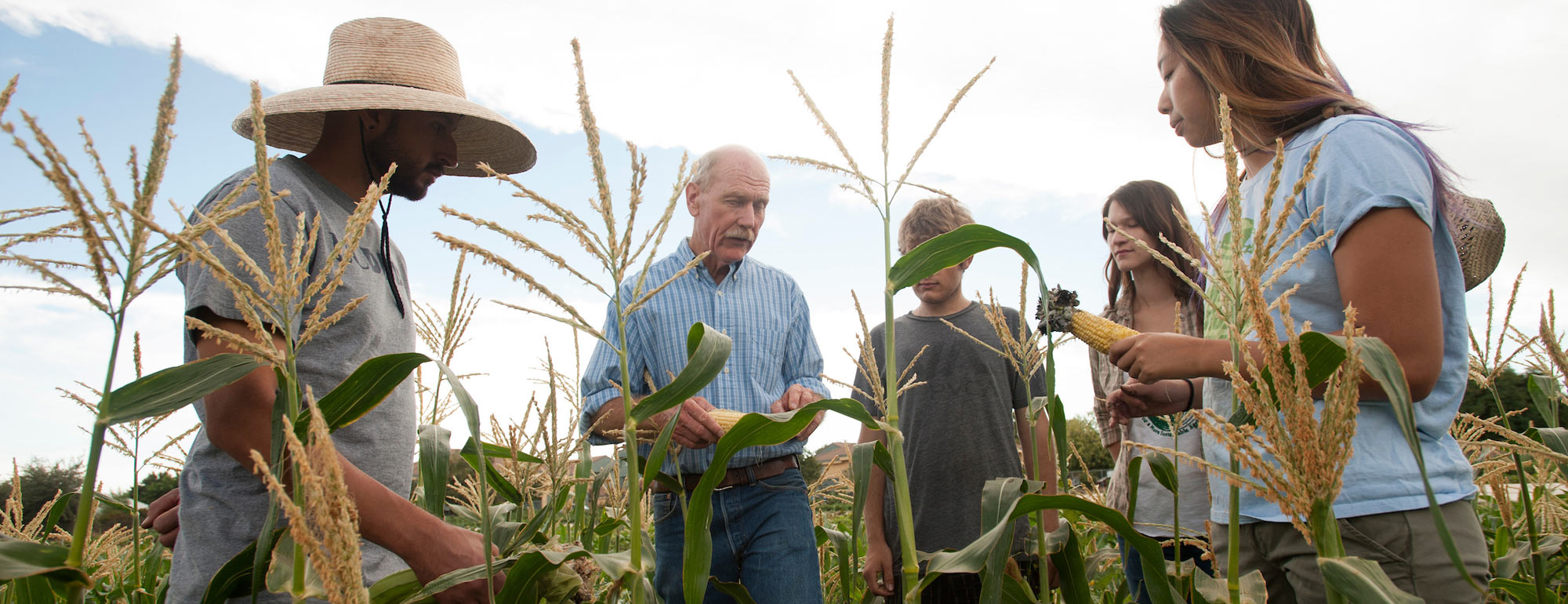
There is a need for trained individuals who can translate and apply agricultural technology to the problems of food production, nutrition, marketing and health in less technically advanced cou

This interdisciplinary minor in international science studies will introduce College of Agricultural and Environmental Sciences students to global issues that affect their major disciplines in

The landscape restoration minor is of particular interest to students majoring in wildlife, fish, and conservation biology; environmental science and management; landscape architecture; biolog

Students in the managerial economics minor will have a deep understanding of economic principles and strong quantitative skills to support critical thinking and decision-making about real-world bus
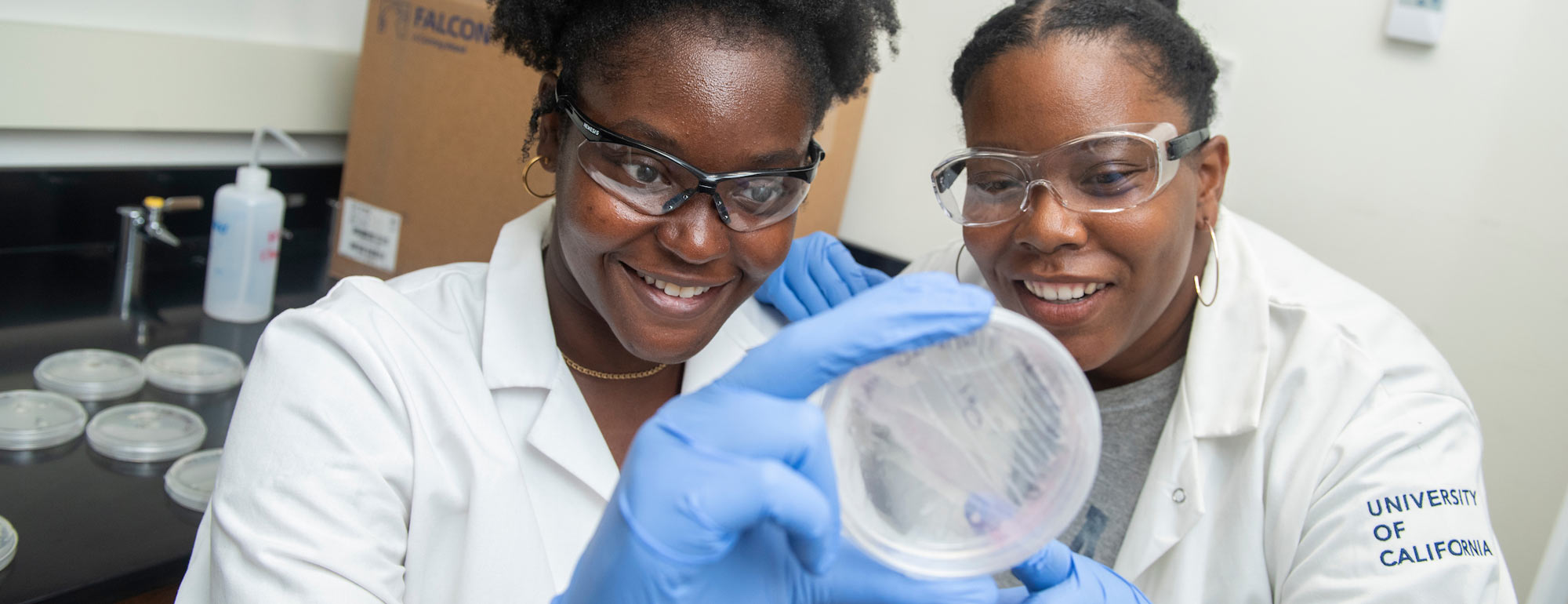
Some of the world’s most dangerous animals are arthropods — mosquitoes, ticks, lice and others — because of the pathogens and parasites they carry.
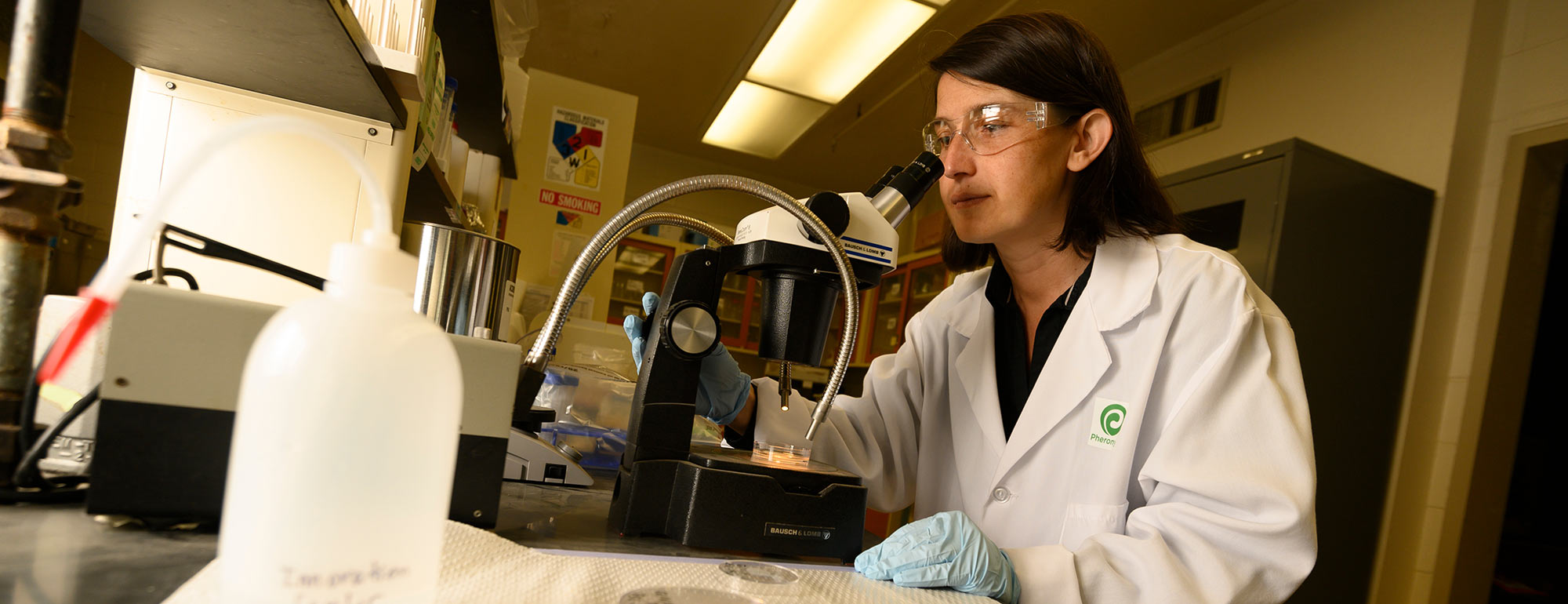
Nematodes, or roundworms, live in practically all habitats. They influence soil fertility, food safety and other aspects of animal and plant health.

The nutrition and food minor provides students with basic knowledge about the chemical and biological components of food and the ways in which foods affect our nutrition, health and well-being

The nutrition science minor provides science students with a basic understanding of biochemical reactions involved in human metabolism, human organ systems and an overview of nutrient functions, nu