Our Degrees
Your Selections

How does the universe work? The study of physics attempts to answer this question by examining the smallest subatomic particles, atoms, molecules, stars and galaxies.

The Applied Mathematics Graduate Group is an interdisciplinary group of over 90 faculty and is recognized for the mathematical rigor of its programs and its dynamic research atmosphere.
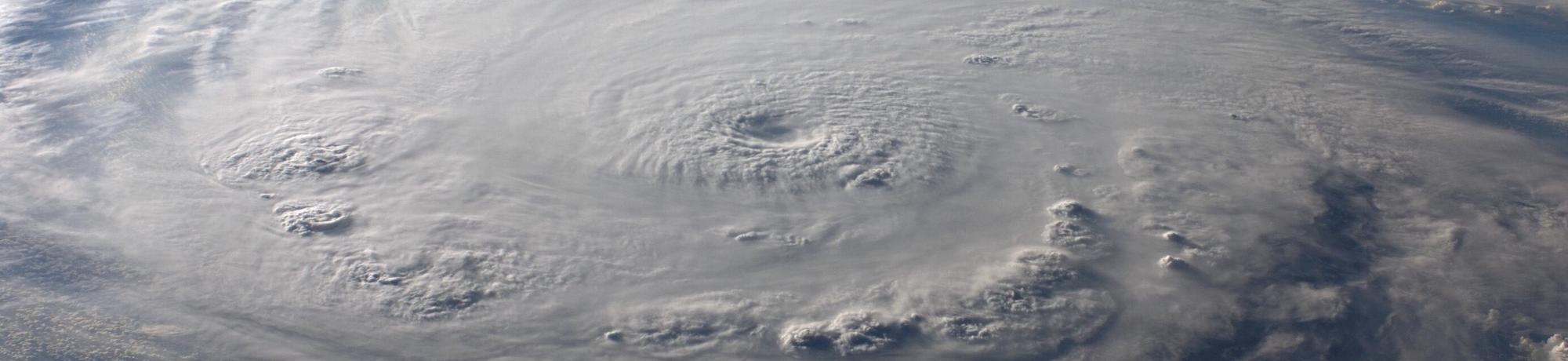
Atmospheric science is the study of the physics, chemistry, and dynamics of the atmosphere and its interrelationship with the hydrosphere and the biosphere.
The Biological Systems Engineering Graduate Program aims to enhance the capacity for teaching and research in biological systems engineering, and train the future generation of professionals to add
Biomedical engineering graduate students engage in a rich spectrum of advanced research at the molecular, cellular, tissue, systems, and organism levels, as well as in clinical practice.
Biophysics offers a graduate education program that focuses on the interface of biology, physics, chemistry, engineering, and mathematics, and explores the physical laws governing the properties an
Biostatistics applies quantitative methods to study problems related to life sciences that arise in a broad array of fields.
The Chemical Engineering program provides a strong grounding in the fundamentals and explores critical applications in a wide range of process systems.
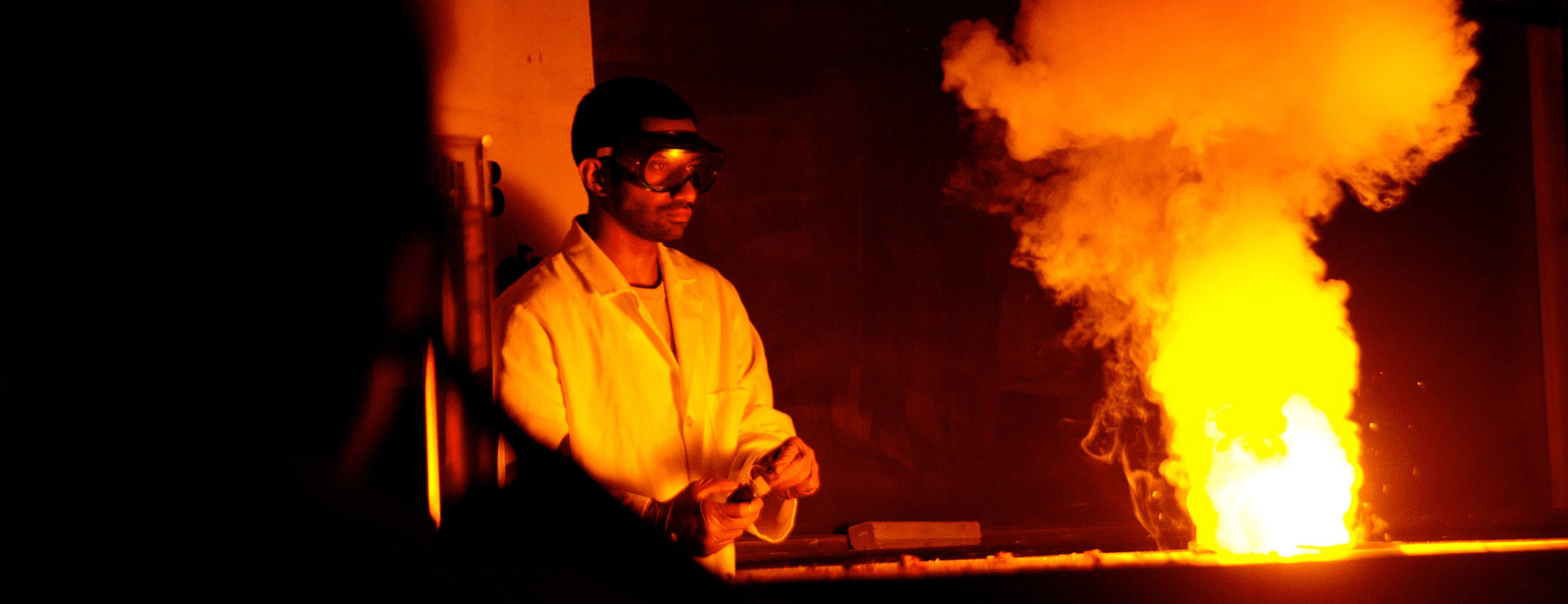
How is the twitch of a muscle fiber related to the silent explosion of a supernova? Every happening in the universe is linked at an atomic level by the principles of chemistry.