
Our Degrees
Your Selections

We offer the climate science and policy minor to provide students from across campus with a basic background in climate change science as well as mitigation and adaptation strategies.

The community nutrition minor exposes students to the strategies available to promote proper nutrition among individuals, families and communities.

The environmental horticulture minor focuses the student on the identification, taxonomy, propagation, production and maintenance of ornamental plants in commercial production or urban landsca
Do you want to explore the relationships among the environment, law, policy, people and community planning?
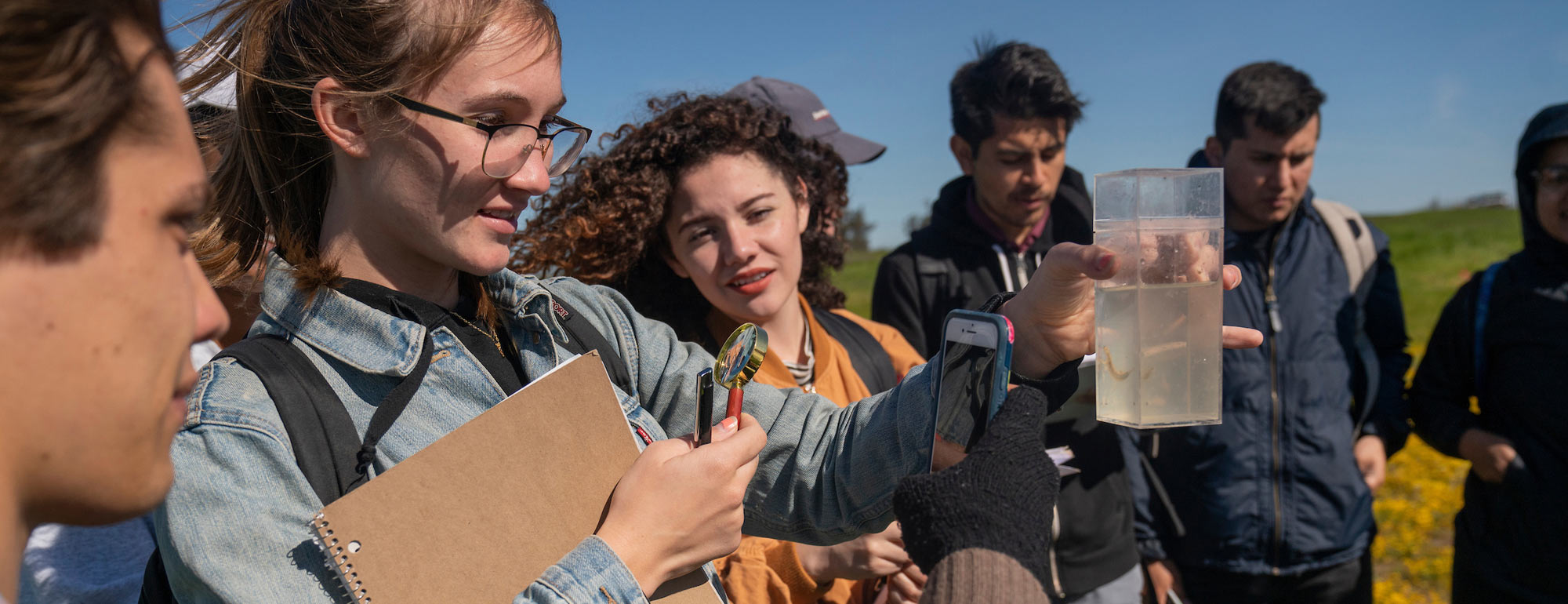
Environmental toxicology explores the effects of toxicants (both human made and naturally occurring) on the normal biochemical, cellular and physiological functioning of biological systems.
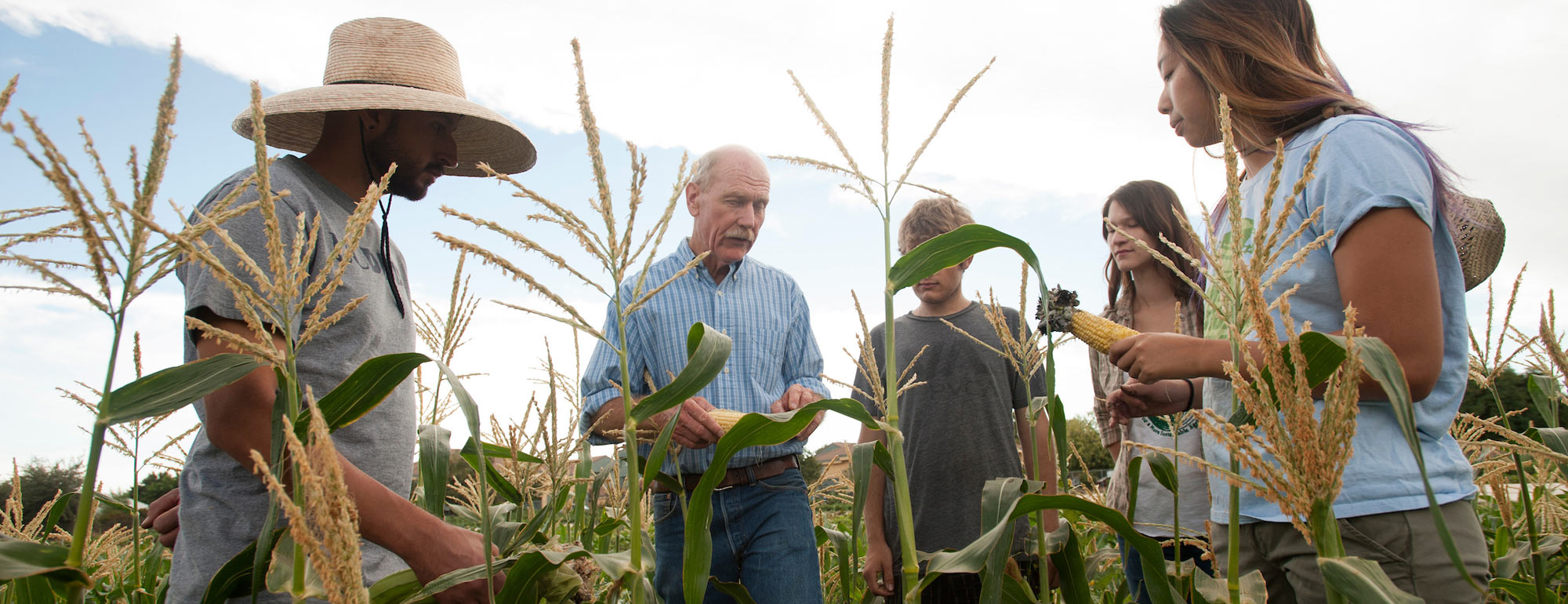
There is a need for trained individuals who can translate and apply agricultural technology to the problems of food production, nutrition, marketing and health in less technically advanced cou

This interdisciplinary minor in international science studies will introduce College of Agricultural and Environmental Sciences students to global issues that affect their major disciplines in
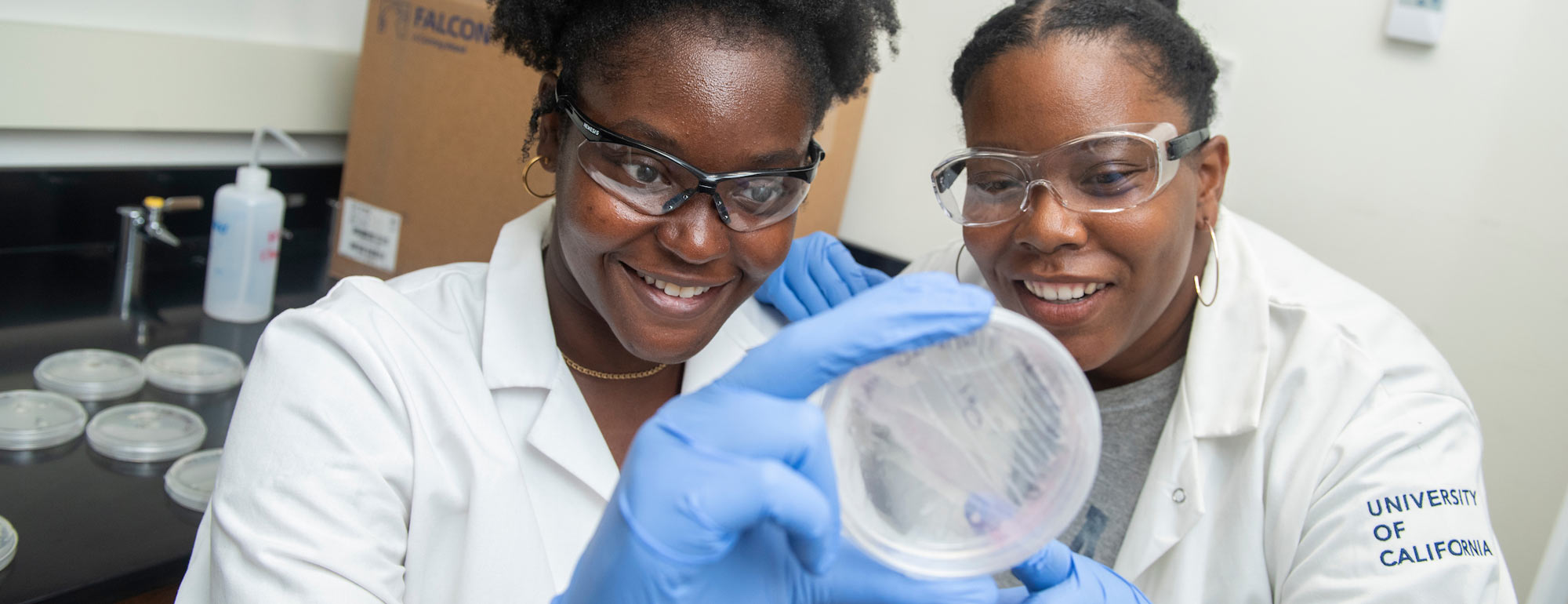
Some of the world’s most dangerous animals are arthropods — mosquitoes, ticks, lice and others — because of the pathogens and parasites they carry.

The nutrition and food minor provides students with basic knowledge about the chemical and biological components of food and the ways in which foods affect our nutrition, health and well-being
The nutrition science minor provides science students with a basic understanding of biochemical reactions involved in human metabolism, human organ systems and an overview of nutrient functions, nu