
Our Degrees
Your Selections
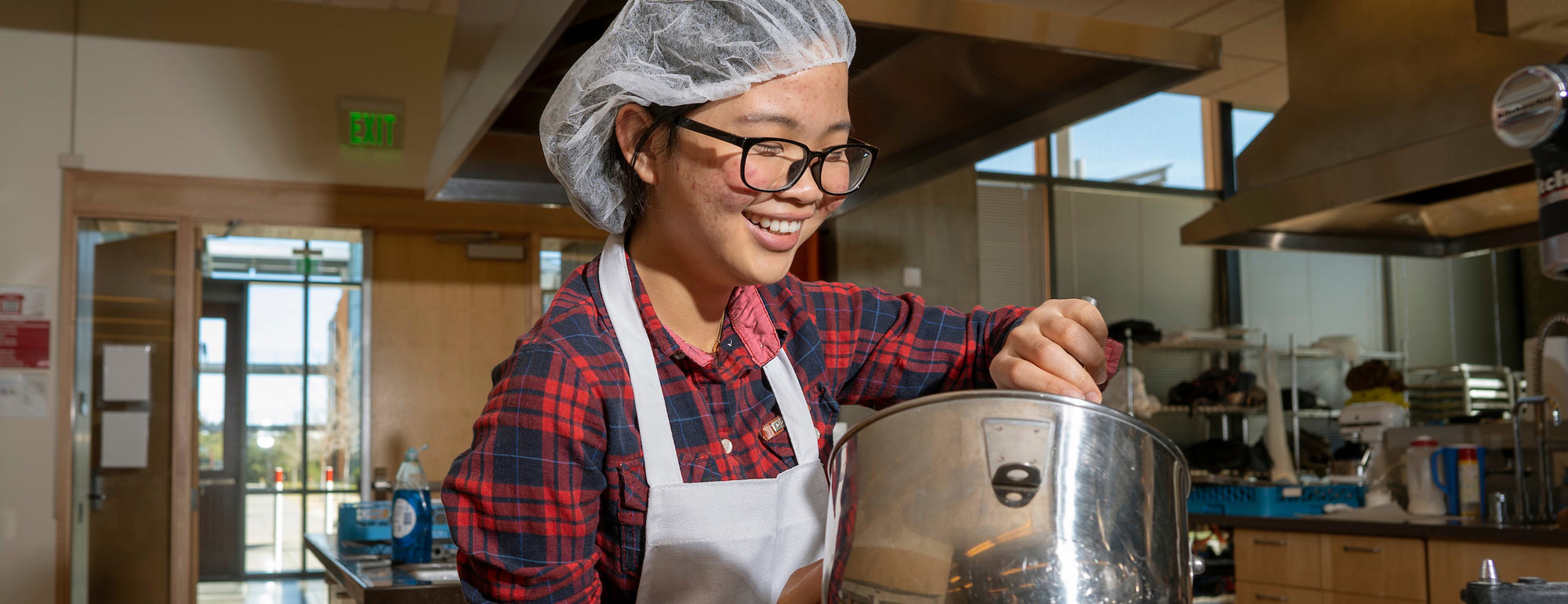
Do you know where your next meal is coming from? Whatever you choose, it was probably grown, processed, delivered and prepared using techniques developed by food scientists and technologists.
Students study the application of biological, chemical, physical, and behavioral sciences to the processing, preservation, quality evaluation, public health aspects, and utilization of foods.
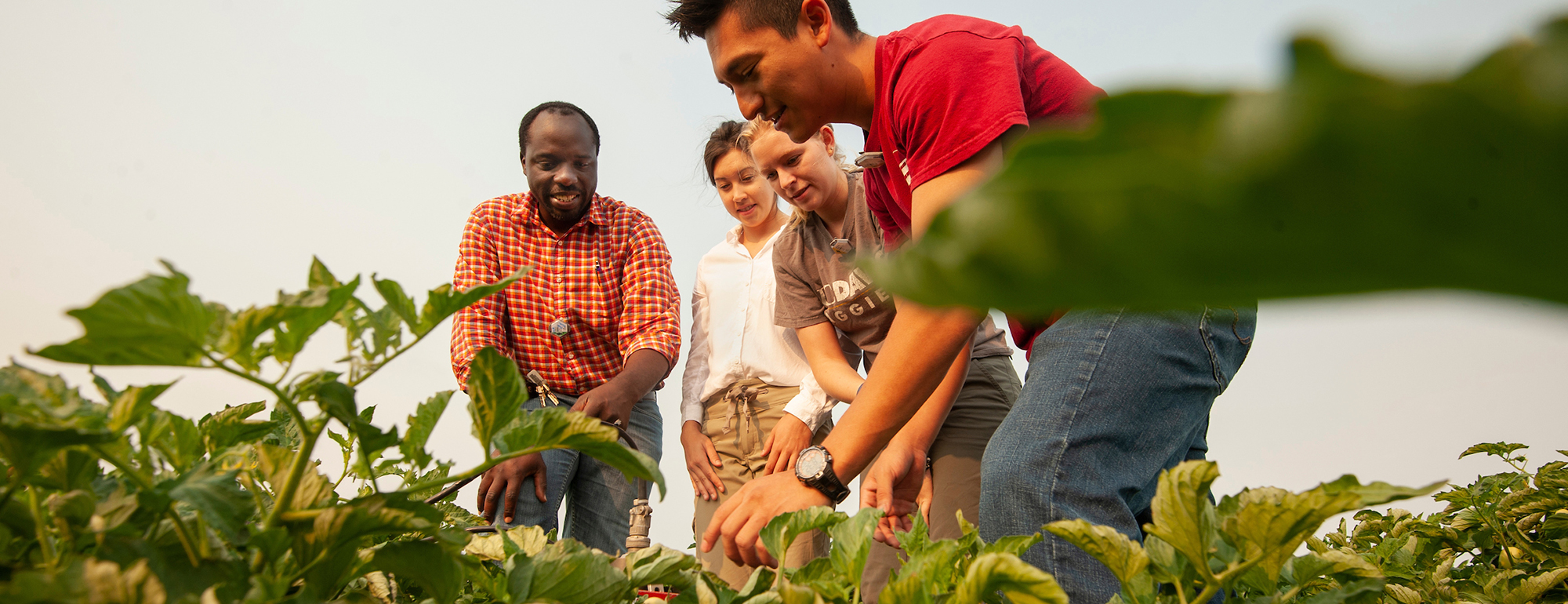
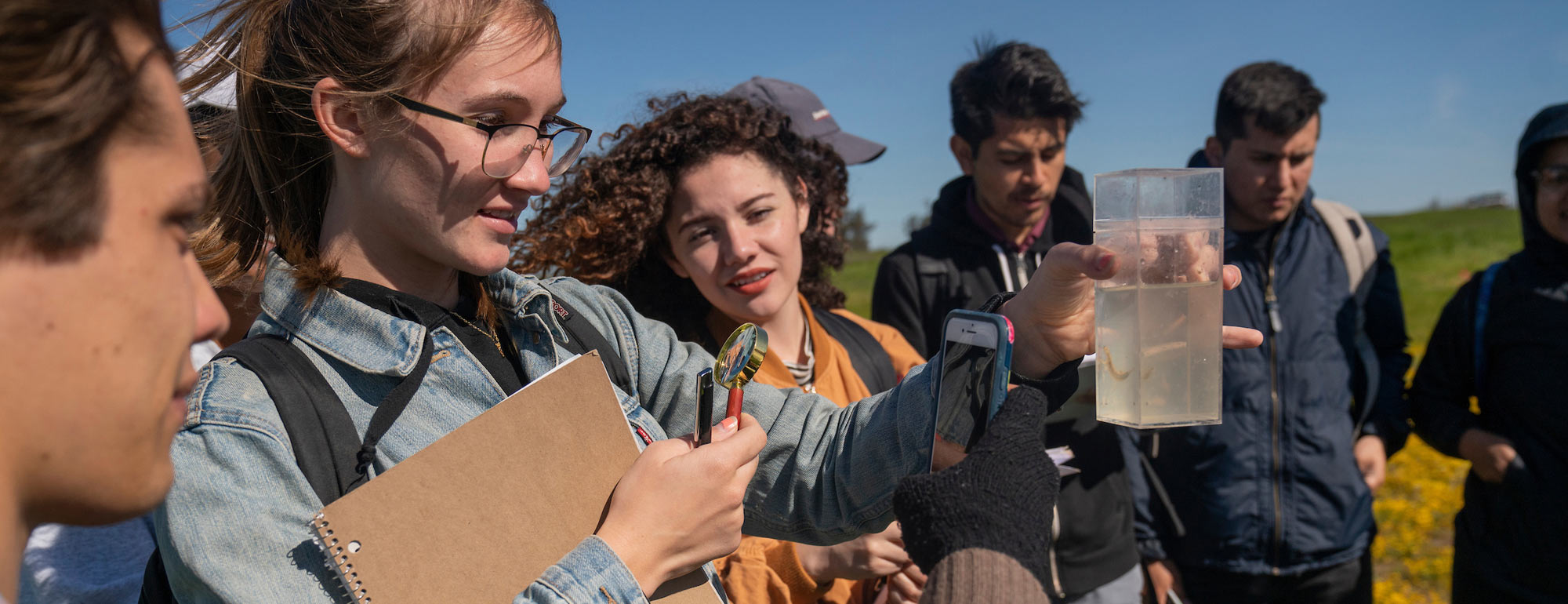
Are you interested in environmental toxins, their environmental fate and regulation, and their impacts on humans and other species?

The environmental horticulture minor focuses the student on the identification, taxonomy, propagation, production and maintenance of ornamental plants in commercial production or urban landsca
Do you want to explore the relationships among the environment, law, policy, people and community planning?
Environmental toxicology explores the effects of toxicants (both human made and naturally occurring) on the normal biochemical, cellular and physiological functioning of biological systems.

The community nutrition minor exposes students to the strategies available to promote proper nutrition among individuals, families and communities.

We offer the climate science and policy minor to provide students from across campus with a basic background in climate change science as well as mitigation and adaptation strategies.