
Our Degrees
Your Selections

The environmental horticulture minor focuses the student on the identification, taxonomy, propagation, production and maintenance of ornamental plants in commercial production or urban landsca
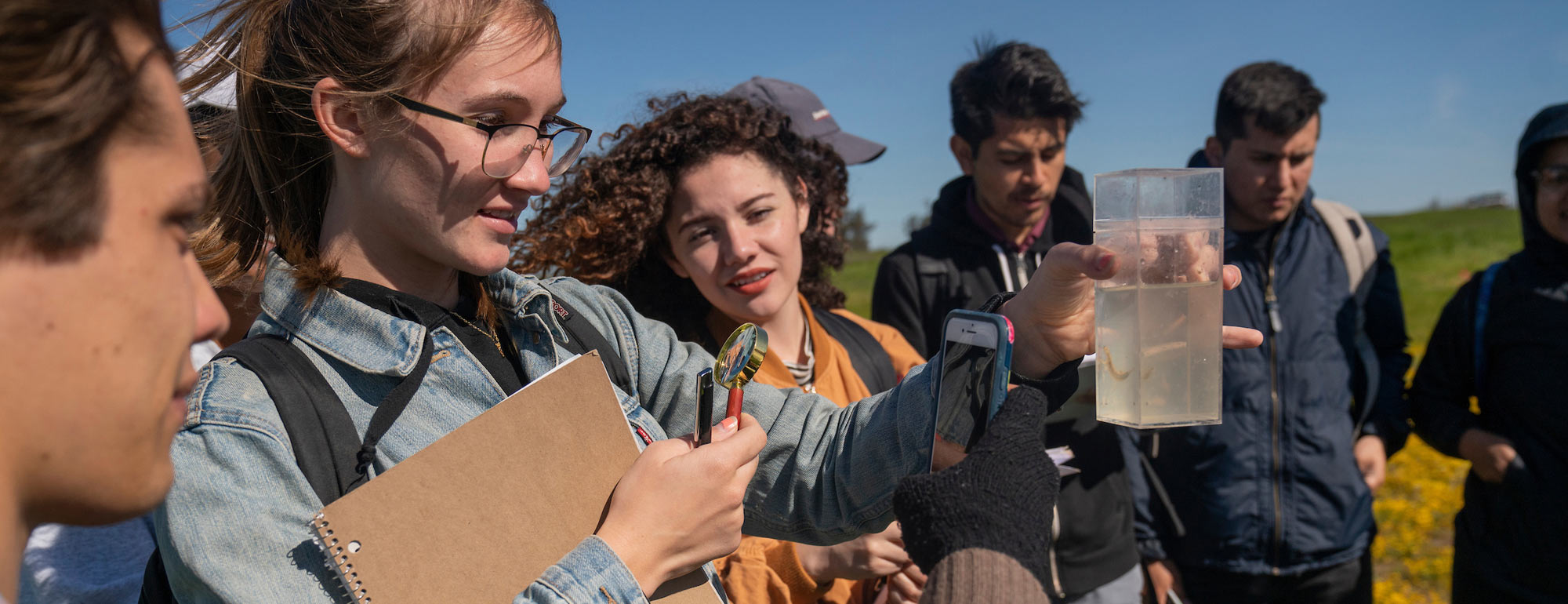
Environmental toxicology explores the effects of toxicants (both human made and naturally occurring) on the normal biochemical, cellular and physiological functioning of biological systems.

Are you interested in understanding the diversity of life on Earth, including the diversity in genes, physiology, shapes, sizes and behaviors?

Students interested in forensic science and/or legal careers will benefit from this minor.
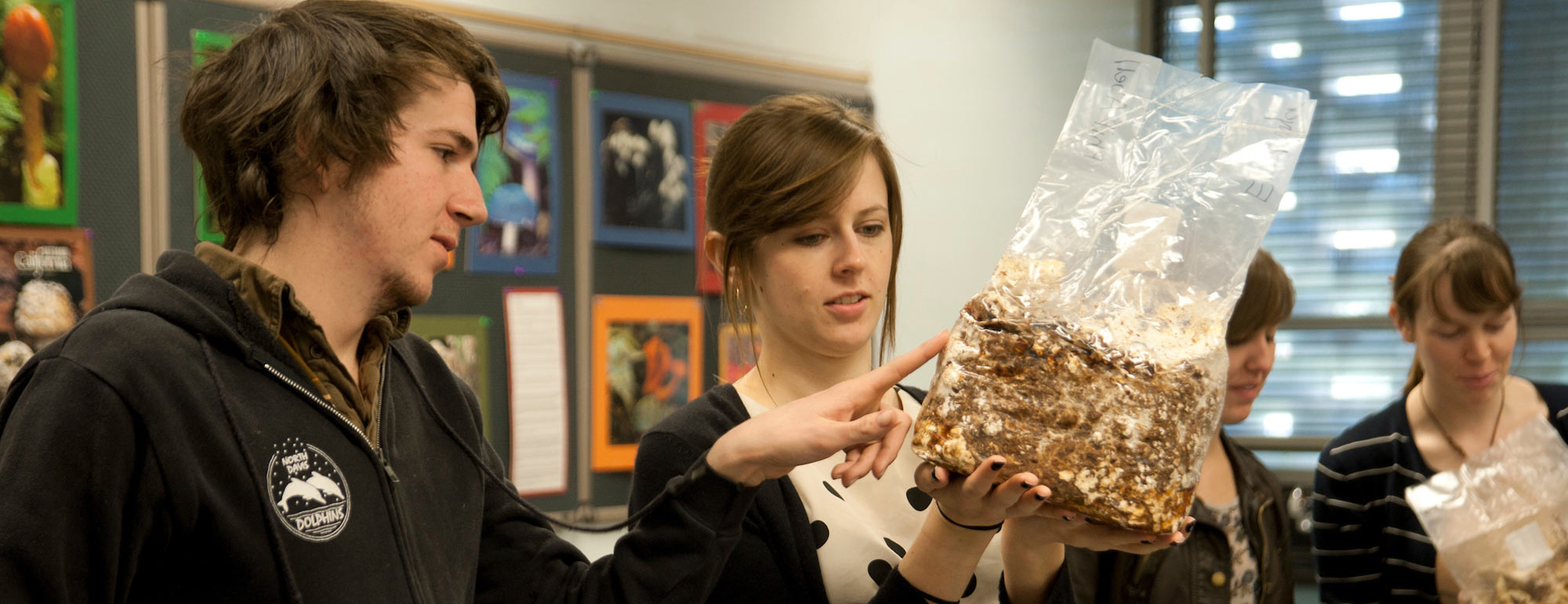
The minor in fungal biology and ecology is open to all students interested in fungi and allied organisms.

The interdisciplinary minor in the history and philosophy of science invites students to examine historical and contemporary problems in a variety of scientific disciplines.
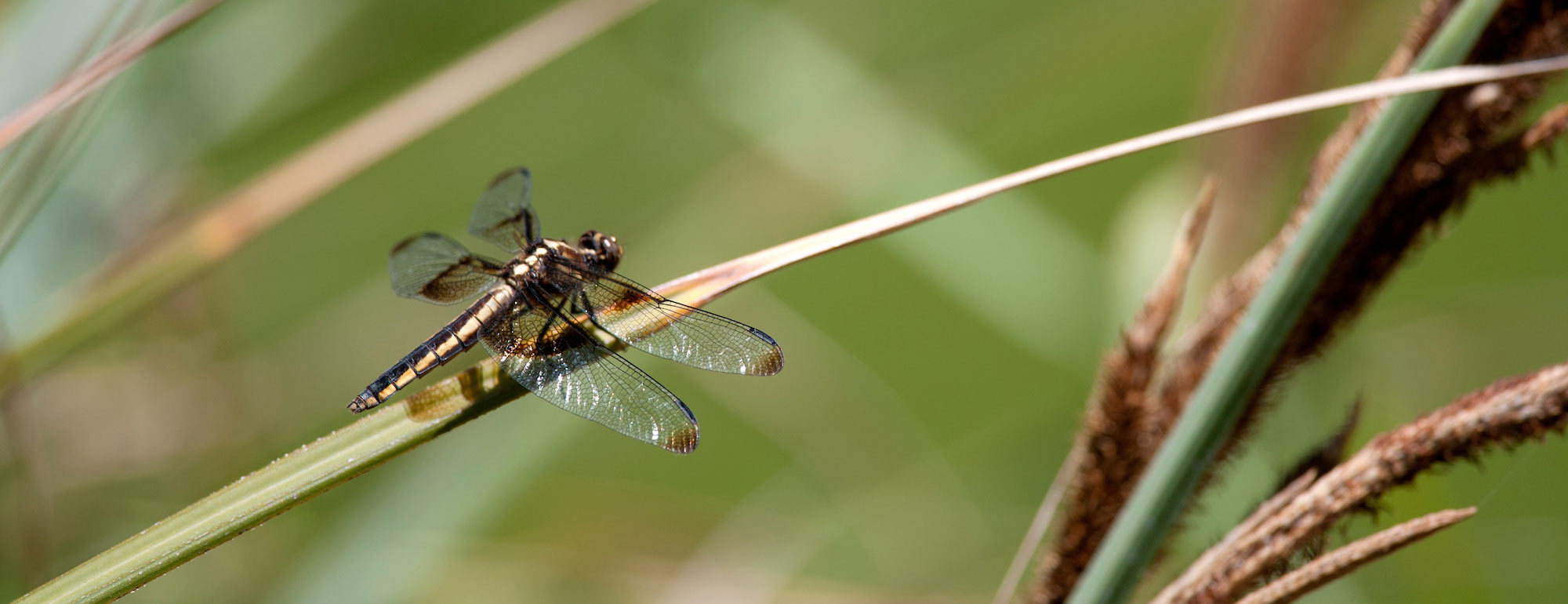
Insects play key roles in ecosystems and in human endeavors due to their immense variety of forms and functions.
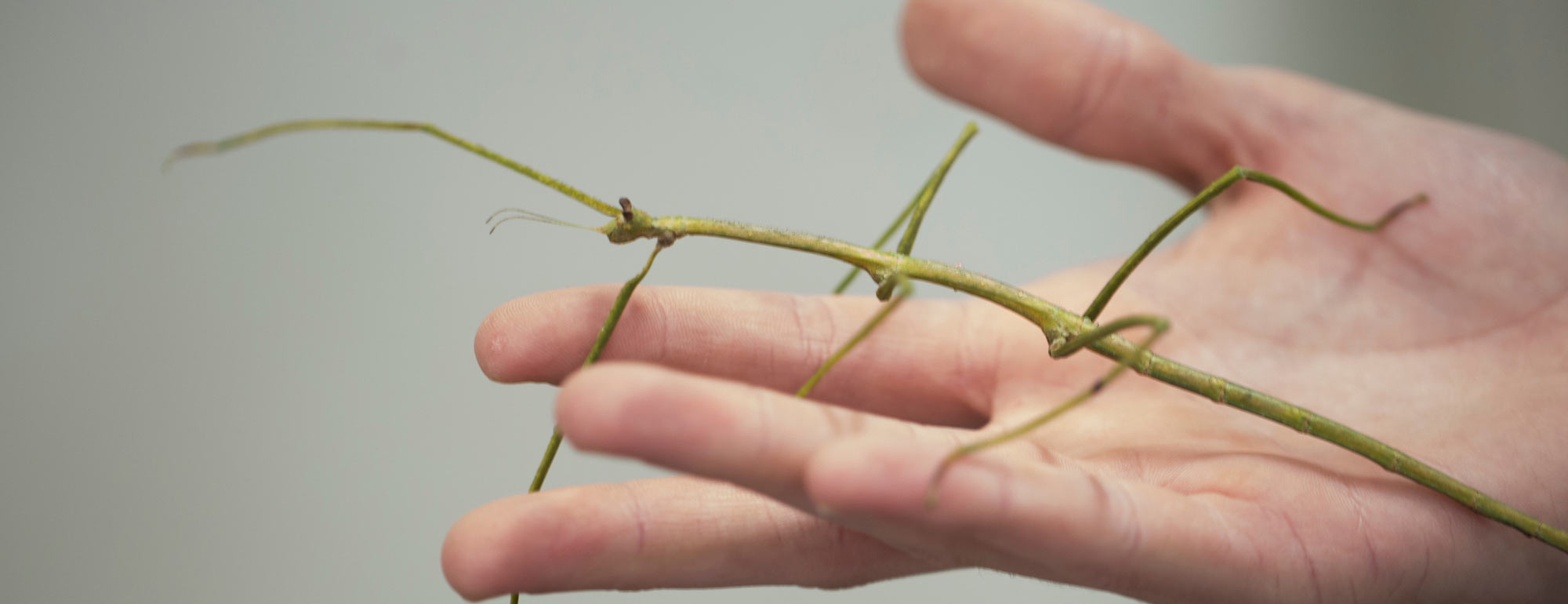
This minor emphasizes the diversity, ecology and evolution of insects. Not only are insects fascinating creatures, but they have multiple effects on the earth’s biota (including humans).

Nematodes, or roundworms, live in practically all habitats. They influence soil fertility, food safety and other aspects of animal and plant health.